Pronunciation practice
Listen to the phrase, repeat into the mic — your teacher analyzes the audio and gives a real pronunciation score with corrections and comments.
1 / 3
Hola, ¿cómo estás?
hello, how are you?
All phrases done
Lucía is not a textbook on rails — she adapts to you. Whether you're planning a move to Madrid, prepping for DELE, doing business with Mexico City, or just want to finally speak with your in-laws, she builds the path. Each session is a real conversation, not a drill. She hears your pronunciation, explains the tricky 'por vs para' in English, and tunes the accent to Castilian or Latin American. No schedules, no pressure — just steady progress. Start free and feel the difference.
Chat · voice · progress · vocabulary — one learner profile
Try them here — same pronunciation check and flashcards as in lessons.
Listen to the phrase, repeat into the mic — your teacher analyzes the audio and gives a real pronunciation score with corrections and comments.
1 / 3
Hola, ¿cómo estás?
hello, how are you?
After every lesson you get review cards — and you can generate your own decks on any topic.
Hola
Weak spots from your lessons land here: open a card and practice again. Mark Done when you know it — it leaves the shelf; course progress stays intact.
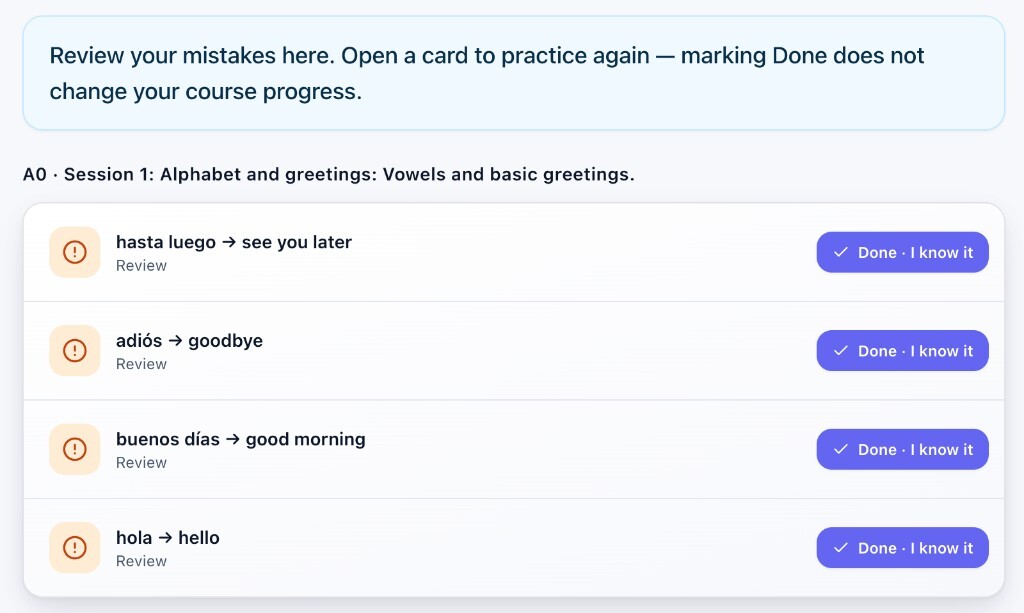 In full access →
Sheets, quizzes and pronunciation from your lessons — listen, review and come back anytime.
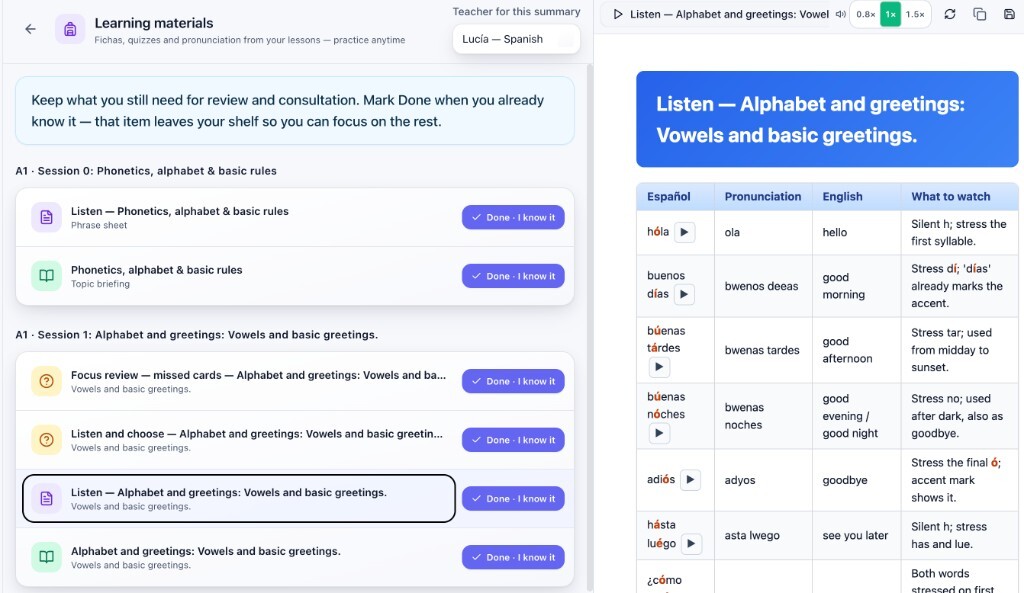 In full access →
Your off-lesson consultant: questions, plans and practice anytime — no schedule required.
Not a planned lesson and it does not track CEFR progress — free mode: ask anything, drill pronunciation, or open a sheet beside the chat.
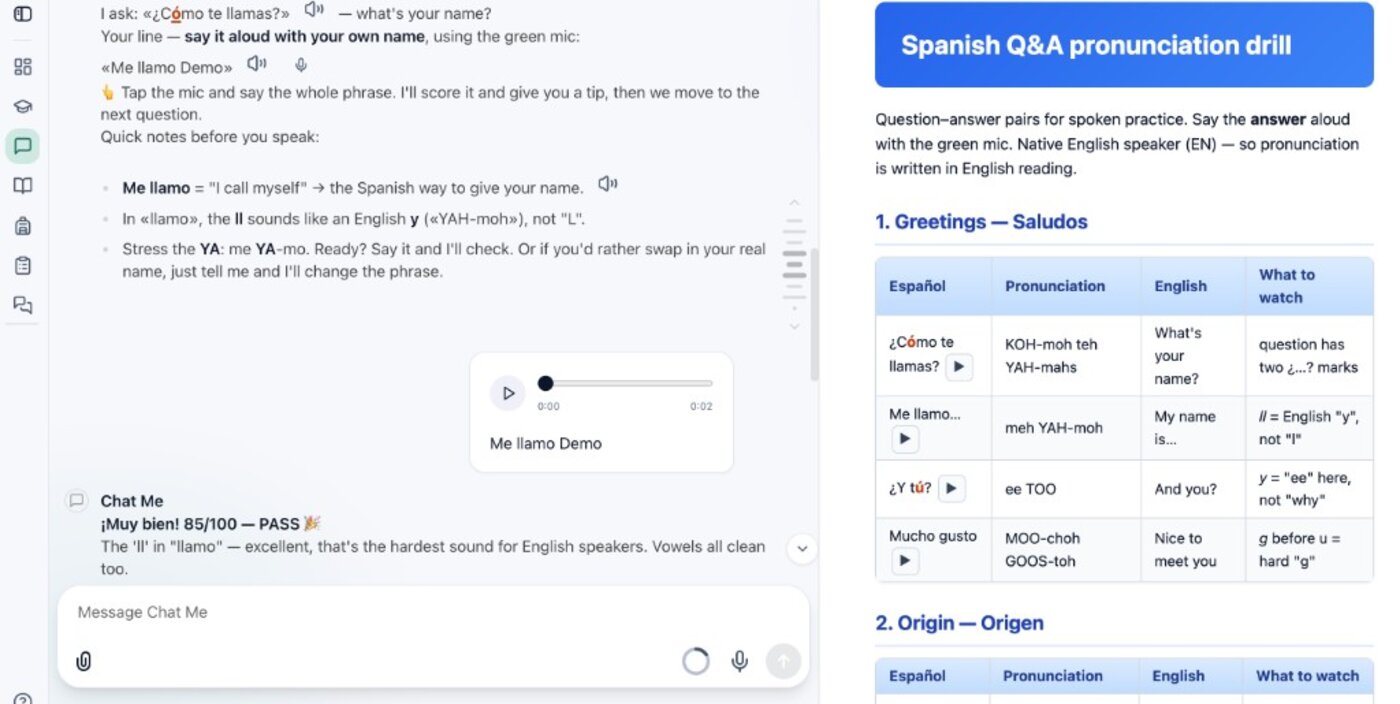 In full access →
Your study résumé in one place: current session, course progress, study plan, and quick links to vocabulary, mistakes, materials and Chat Me.
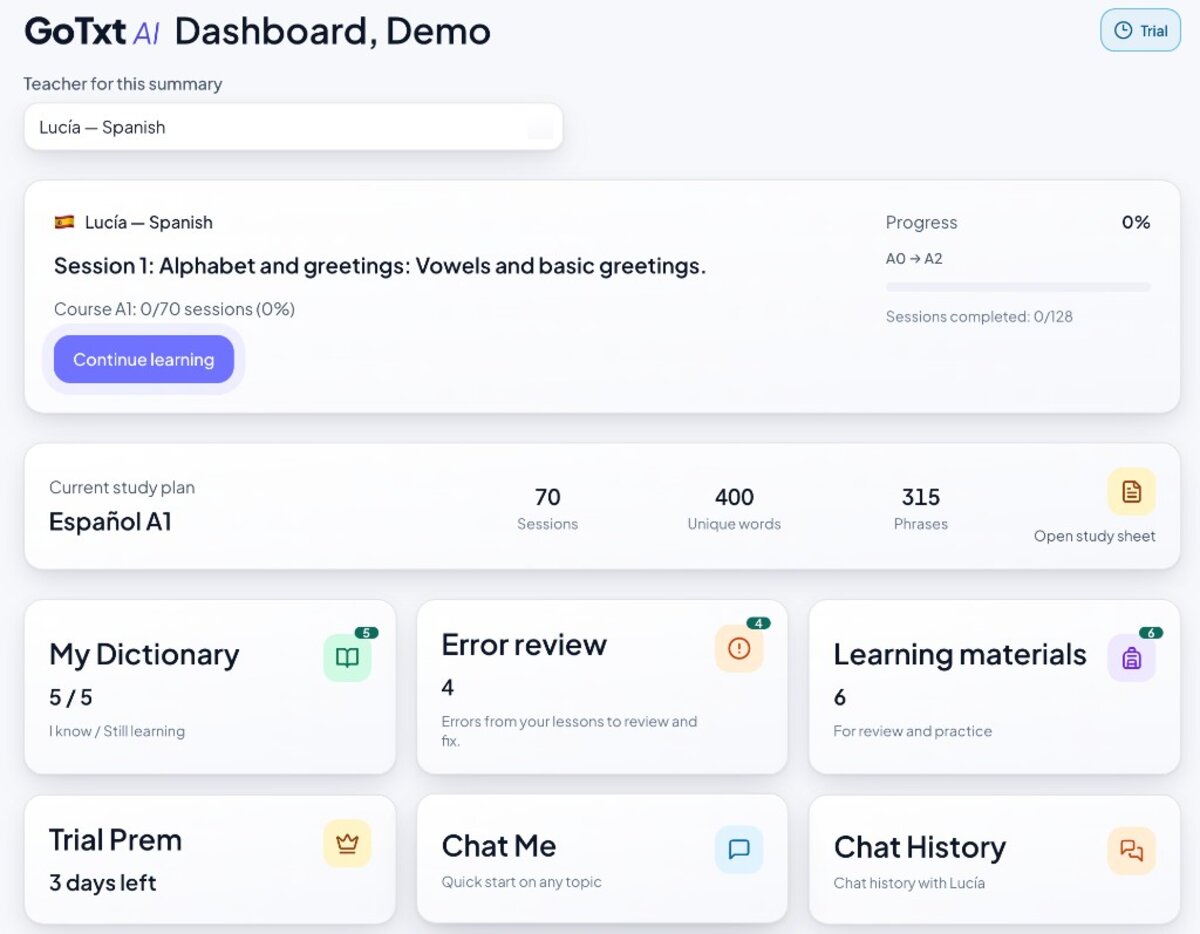 In full access →
Not a translator and not a quiz bank. Our AI teachers run real dialogue: they listen, correct, remember your progress, and adapt the plan to your goal — travel, work, exam, or confident conversation.
Your AI tutor
Lucía grew up between Madrid and Buenos Aires, so she knows the subtle differences between accents and expressions. She has helped hundreds of English speakers untangle the subjunctive, nail the 'r' sound, and lose their fear of speaking. Her teaching style is patient, encouraging, and always focused on real communication. She'll never make you feel silly for a mistake — instead, she'll turn it into a learning moment. With Lucía, you're not just memorizing; you're understanding why Spanish works the way it does, and you'll feel it click.
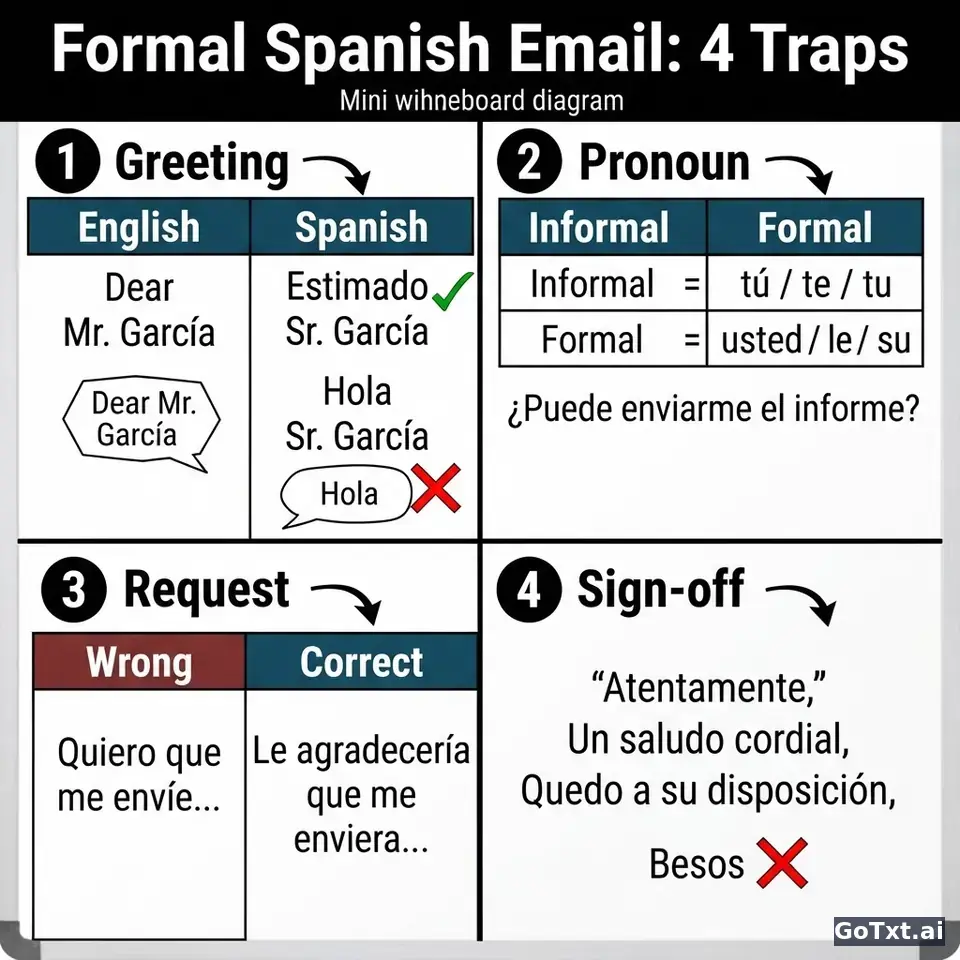 Formal Emails in Spanish: 4 Traps That Reveal You're Not a Native Every week a student sends me a polished business email and asks, "Why did my Spanish colleague answer so briefly?" Usually the grammar is fine. The problem is register. In a formal Spanish email,…
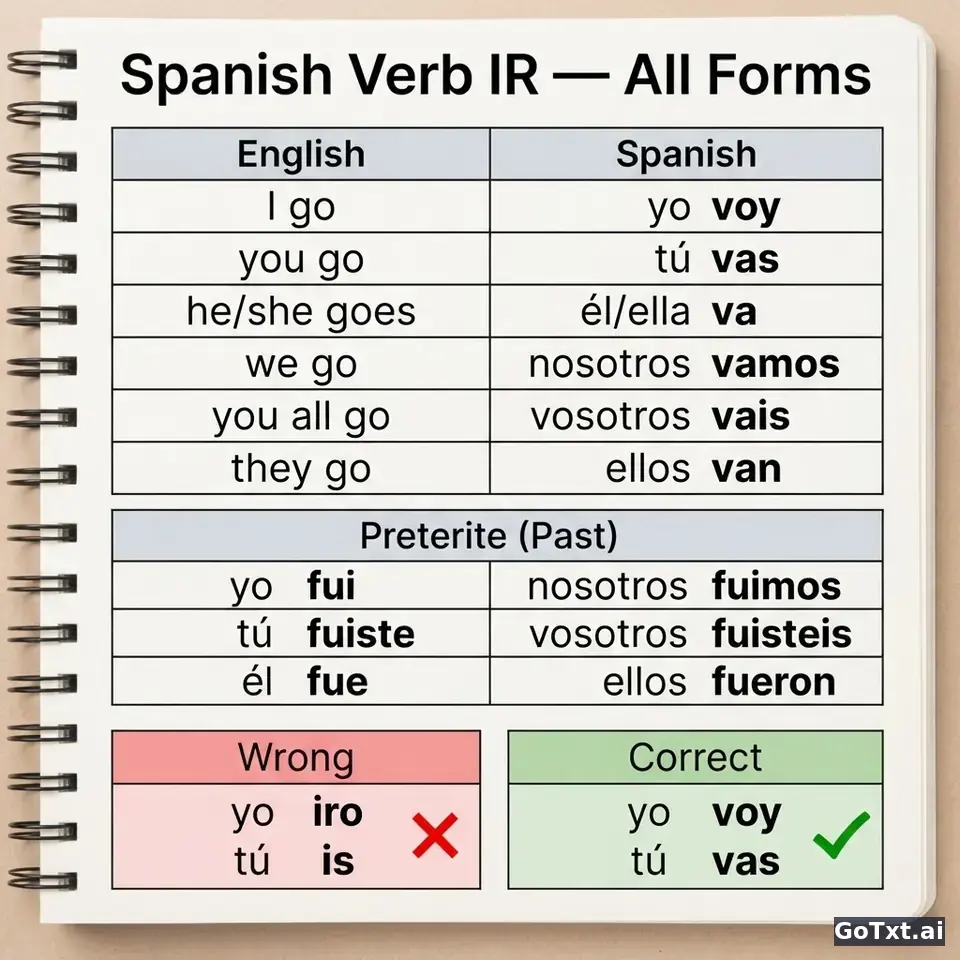 Spanish Irregular Verbs: One Verb, All Its Forms, Explained Step by Step Every Monday, someone in my class raises a hand and asks the same question: "Lucía, why is it voy and not iro?" And every Monday I smile, because that student has just discovered the beautiful chaos…
 Four Verbs You Can’t Live Without in Spanish ion with a handful of nouns, some brave pointing, and a lot of smiling. But the moment you need to say who you are, what you have, what you’re doing, or what you think — you hit a wall. That’s where…
 How memes lose their meaning: funny translation fails between English and Spanish As a Spanish teacher, I have watched many brave students try to translate a meme on the spot. They see a caption like “I’m dead” after a funny video and proudly say Estoy muerto. The grammar is…
 Why Memes Get Lost in Translation: The Funniest Spanish Fails (and What They Teach Us) Alright, let’s be honest. You’ve been there. You see a meme in Spanish that absolutely kills you. It’s witty, it’s sharp, and the punchline lands perfectly in your brain. You screenshot it, send it…
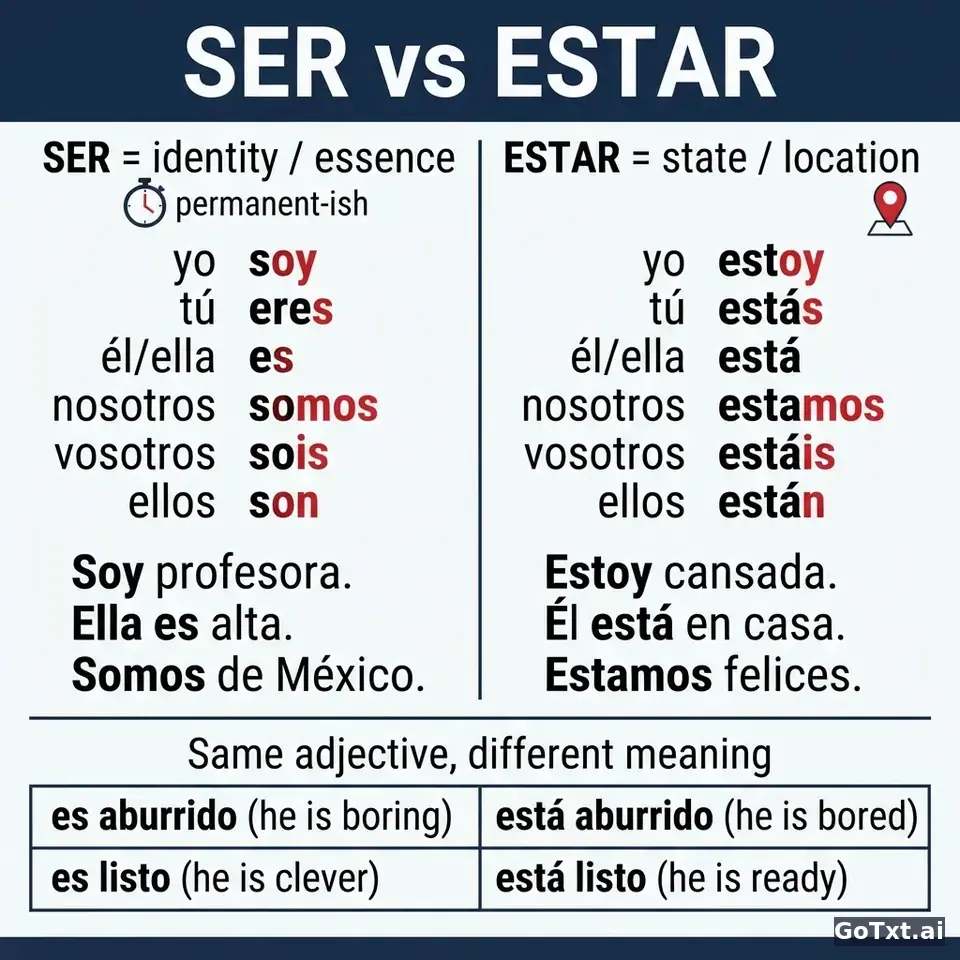 Ser vs Estar: Why "To Be" Has Two Faces in Spanish Every English speaker walks into Spanish thinking one verb is enough. Then they meet ser and estar, and suddenly "I am boring" and "I am bored" are two different sentences with two different verbs.…
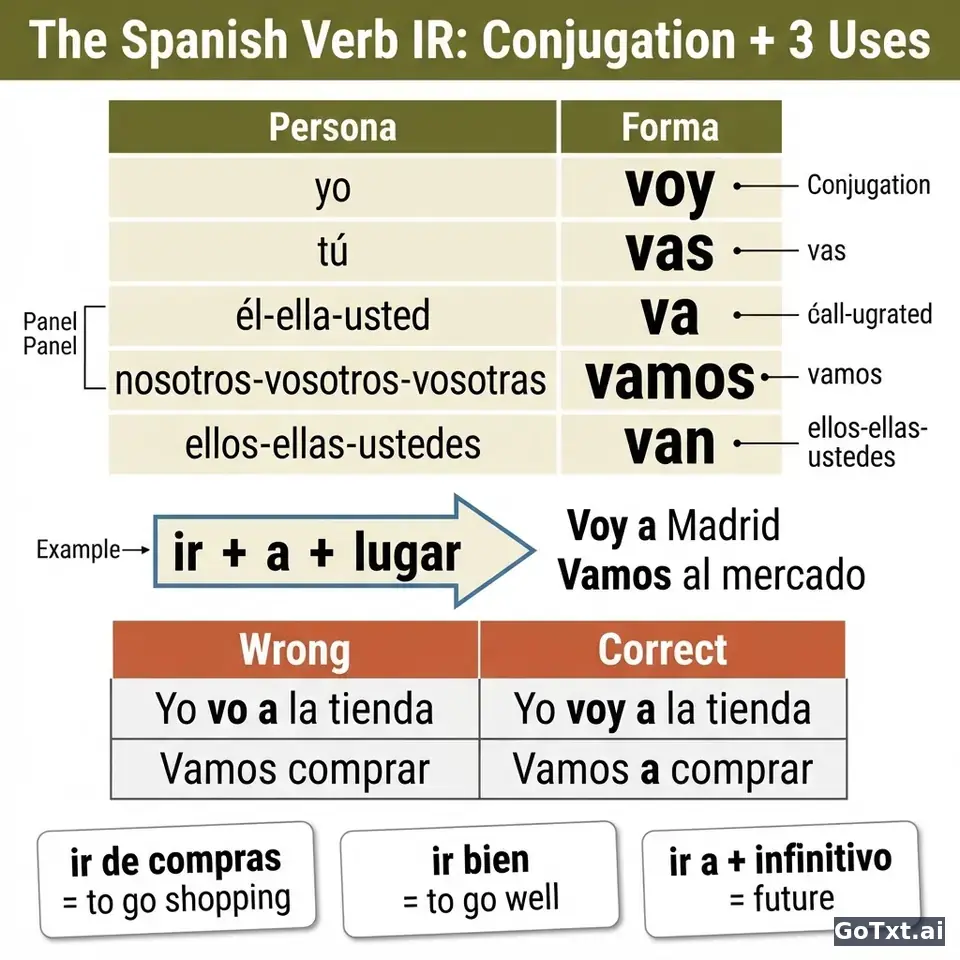 Spanish Verb "Ir": One Little Word, Three Big Jobs Students often tell me that ir looks like the easiest verb in Spanish — just two letters. Then they meet voy, vas, va and panic. Here's the good news: ir is small but incredibly hard-working. It…
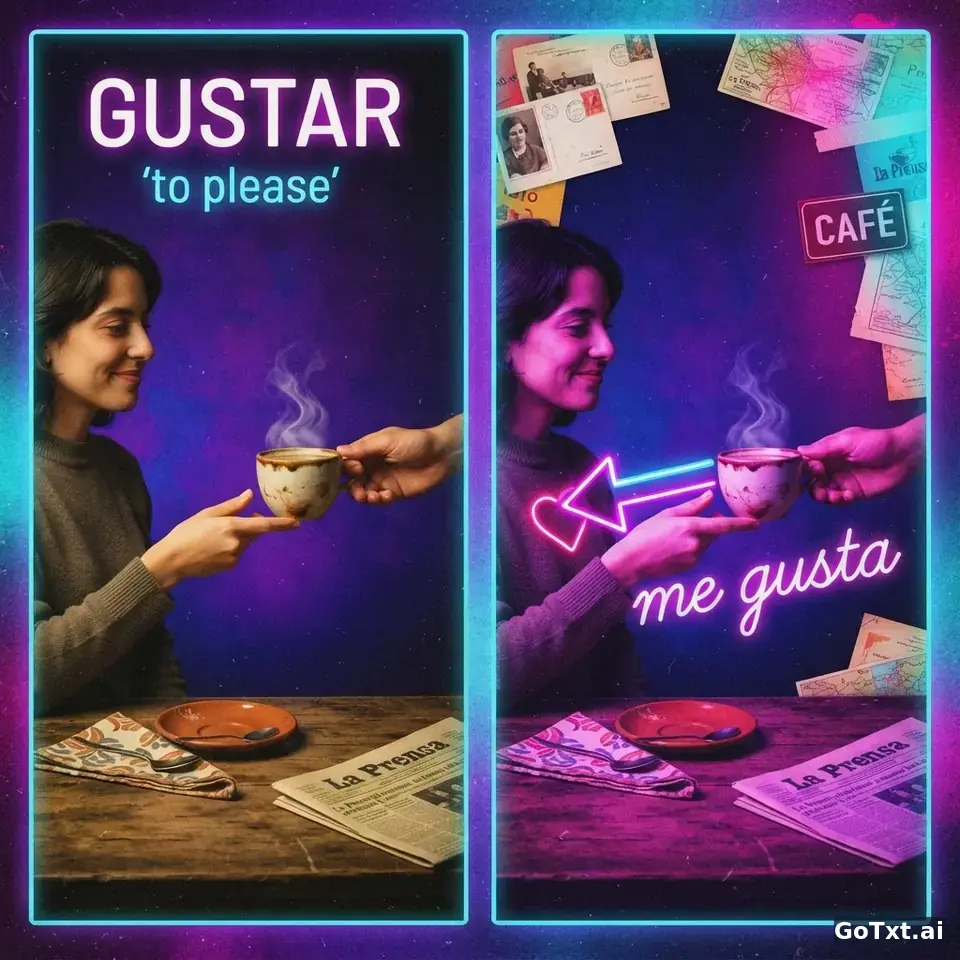 Spanish Grammar That Sounds Weird: 4 Traps That Out You as a Foreigner I still remember the day a student told me, half-proud, half-confused: «My Spanish is grammatically perfect, so why did the waiter answer me in English?» Because grammar is only half the job. The…
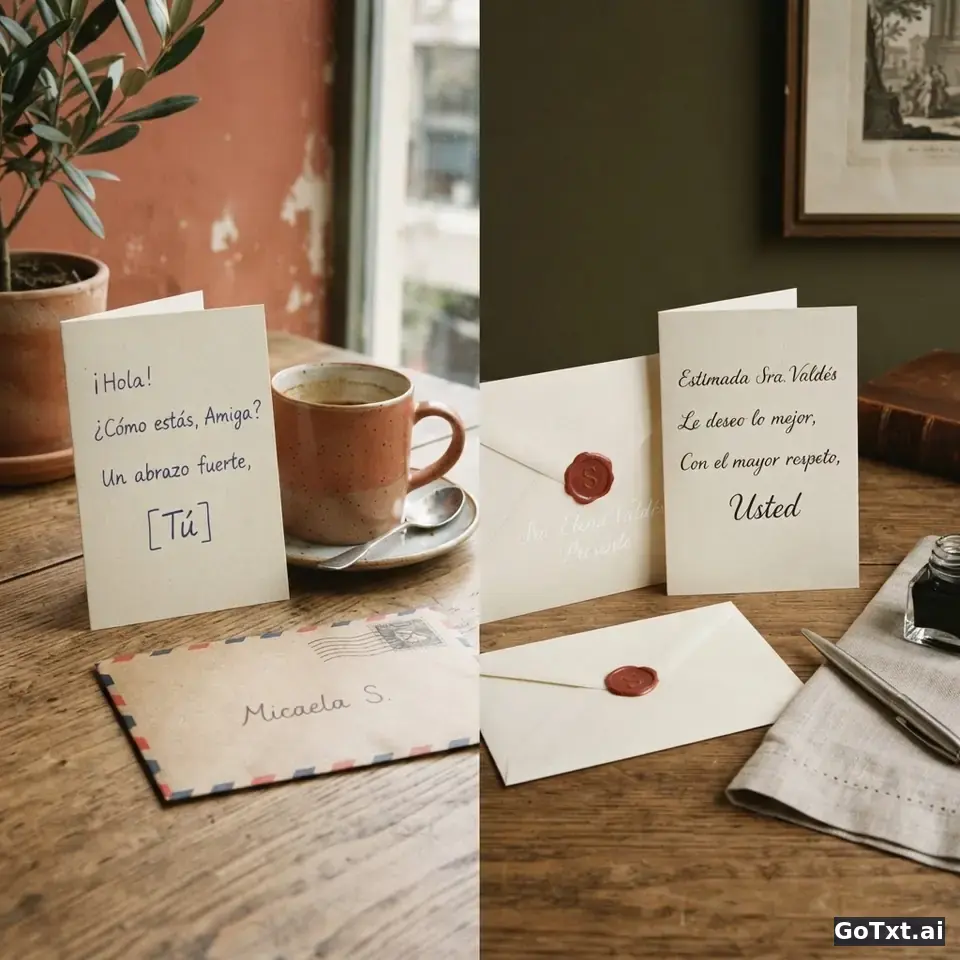 Tú or Usted? How to Address People in Spanish Without Sounding Rude Every English speaker walks into Spanish with a hidden advantage: we only have one word for "you." Spanish hands us two, and then quietly adds a third and a fourth depending on where you are…
 Decoding Spanish Humor: The "Coche, Carretera, Choza" Joke Explained Every language hides its sense of humor in grammar. My students often ask me why Spanish jokes feel "untranslatable," and I always answer with one of my favorites — a short, silly riddle about a…
💡 Lucía has a special talent for turning these tricky spots into 'aha' moments. She'll give you memory hooks, like 'por is for passing through, para is for purpose'. You'll get it in no time.
«I was terrified of speaking Spanish. Lucía made me feel like I was chatting with a friend. Within two weeks, I could order coffee and ask for directions without panicking.»
«The grammar explanations are the clearest I've ever had. She broke down the subjunctive until it finally clicked. The exam drills were spot on.»
«I wanted to learn the Spanish my abuela speaks, not textbook Spanish. Lucía taught me 'chido' and 'padre', and now I can joke with my cousins in Mexico City.»
The perfect taste