Lucía Blog Decoding Spanish Humor: The "Coche, Carretera, Choza" Joke Explained
Decoding Spanish Humor: The "Coche, Carretera, Choza" Joke Explained
Unpack a classic Spanish joke about a car, a road, and a hut. Learn the vocabulary, the grammar trap, and why the punchline lands in Spanish but flops in English.
Every language hides its sense of humor in grammar. My students often ask me why Spanish jokes feel "untranslatable," and I always answer with one of my favorites — a short, silly riddle about a coche, a carretera, and a choza. On the surface it's a children's riddle. Underneath, it's a masterclass in how Spanish builds meaning through word endings, diminutives, and double meanings. Let's take it apart piece by piece, because once you see the machinery, you'll start spotting the same patterns in real conversations.
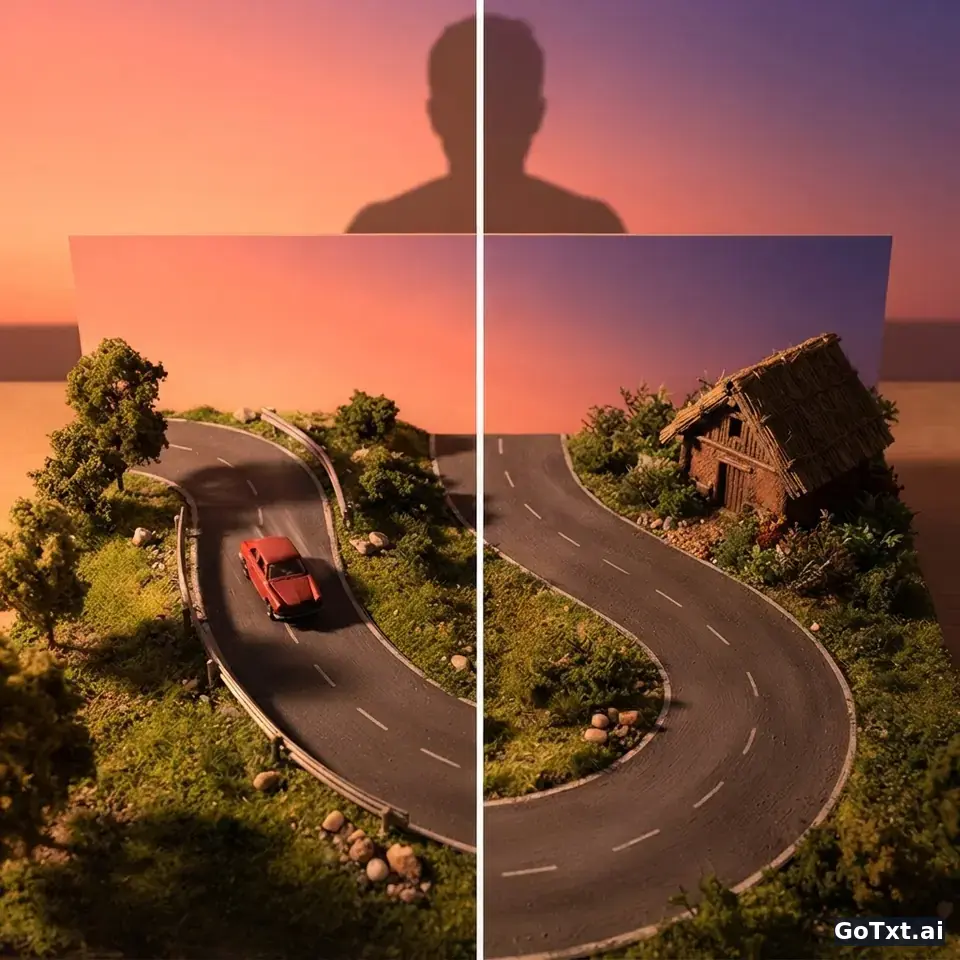
The joke itself
Here's the riddle, told the way a Spanish friend would tell it to you:
"¿Qué es un coche en una carretera? Un coche. ¿Y un coche en una choza? Un coche también. Pero, ¿y una choza en una carretera?"
Rough translation: "What is a car on a road? A car. And a car in a hut? Also a car. But what about a hut on a road?" The expected answer is una choza — a hut — but the real answer, the one that makes people groan and laugh, is una carrechoza. That's not a word. That's the whole point.
Why the punchline works in Spanish
The humor lives in a single suffix: -eza / -oza. Spanish loves to blend words, and the riddle tricks your brain into expecting a logical answer, then delivers a made-up hybrid instead. The joke is funny because it almost makes sense — carretera plus choza collide into carrechoza, a nonsense word that sounds like it could exist. This is the same mechanism behind real Spanish blends you'll actually hear:
| English idea | Real Spanish word | The blend |
|---|---|---|
| a road | carretera | from carro + -tera |
| a hut | choza | standalone noun |
| the fake joke word | carrechoza | carretera + choza |
Notice how carretera itself is already a blend — carro (cart) plus a suffix. So the joke isn't random; it's parodying a pattern Spanish speakers use every day. Words like cochecito (little car) or casucha (shabby house) show the same playful suffix logic. Once you notice it, you hear it everywhere.
The grammar trap: ser vs. estar
Here's where learners get ambushed. The riddle uses es ("is") — ¿Qué es un coche...? — because it's asking about identity, not location. But a beginner might reach for está, thinking "the car is on the road." That's the classic ser vs. estar confusion, and the joke quietly punishes it.
| English | Correct Spanish | Why |
|---|---|---|
| What is a car? | ¿Qué es un coche? | identity → ser |
| The car is on the road | El coche está en la carretera | location → estar |
| A car in a hut? | ¿Un coche en una choza? | no verb needed, noun phrase |
So the riddle is doing two things at once: it's a wordplay gag and a stealth grammar drill. If you can tell why it's es and not está, you've leveled up.
Diminutives and the sound of the joke
Spanish humor often rides on sound. Say the punchline out loud and you'll feel the rhythm:
Comments
Article discussion: learner comments and GoTxt teacher replies
Drop your emotions below — love, debates, even hate welcome. Comment 👇
Don't want to miss my reply? Leave your email — I'll send a copy.