 Palabras polacas intraducibles · Zosia · GoTxt
GoTxt Zosia Blog Palabras polacas intraducibles
Polish Words You Can't Translate: A Teacher's Field Notes on Untranslatables — Speak Polish
Why words like **tęsknota** and **zażenowanie** resist translation — and how to handle them honestly when you learn Polish. Practical notes from a Polish teacher. Speak Polish.
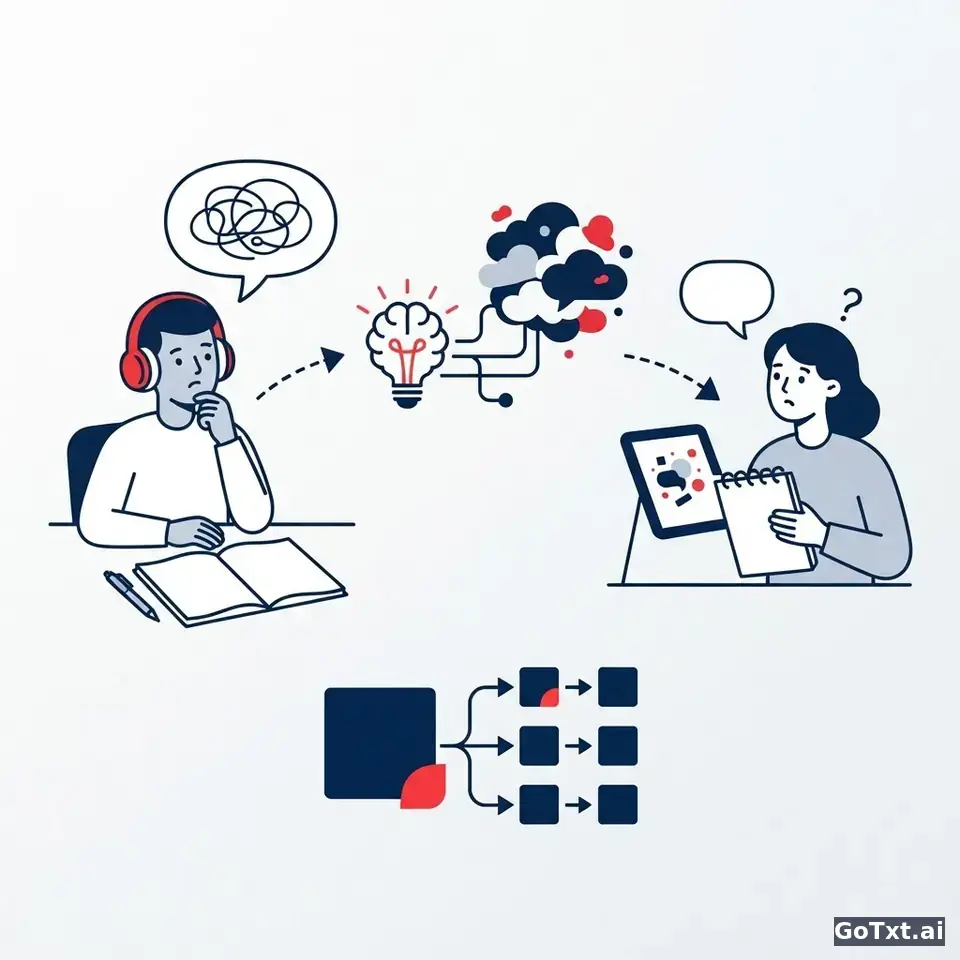
Every language keeps a few words locked away from translators, and Polish guards several of them fiercely. My students often ask me for a single English word for tęsknota and I have to smile, because there isn't one — not really. It's not just "missing someone"; it's a low hum of longing that can sit in your chest even when the person is right next to you. Then there's zażenowanie, which is not embarrassment exactly, more a cringe you feel for someone else, plus a bit of second-hand shame. And kombinować — oh, kombinować — the national art of solving a problem sideways, with improvisation, charm, and a small bending of the rules.
Polish practice
Pronunciation practice
Listen to the phrase, repeat into the mic — your teacher analyzes the audio and gives a real pronunciation score with corrections and comments.
1 / 3
Cześć, jak się masz?
hello, how are you?
Why some words refuse to travel — Everyday Polish conversation
A word becomes untranslatable when it bundles a feeling, a habit, and a cultural judgement into one package. Tęsknota carries Polish history — partitions, exile, letters that arrived months late. Zażenowanie carries a very Polish sensitivity to social awkwardness, the fear of wstyd (shame) in front of others. Kombinować carries decades of dealing with systems that didn't quite work, where cleverness beat bureaucracy. You can translate the situation, but the word drags its whole biography along.
Here's how the same idea looks when you try to force it:
| English attempt | Polish word | What gets lost |
|---|---|---|
| I miss you | Tęsknię za tobą | the ache of absence, not just the fact |
| I'm embarrassed for you | Zażenowanie | the cringe plus the social shame |
| to improvise a fix | Kombinować | the wink, the cleverness, the rule-bending |
Tęsknię za tobą.
Working with untranslatables (without cheating)
The beginner's mistake is to hunt for a one-word equivalent and then feel cheated when it doesn't exist. The better move is to learn the word with its context: the sentence it lives in, the tone it carries, the face a Pole makes when saying it. Kombinować is best learned from stories about someone fixing a broken radiator with a spoon. Zażenowanie is best learned from watching a Polish talk show. And tęsknota — learn it from songs, because that's where it lives.
A quick contrast for the grammar-minded: these words behave like normal Polish nouns and verbs, so you still need the cases.
| Person | Verb form | Example |
|---|---|---|
| ja | tęsknię | Tęsknię za domem. |
| ty | tęsknisz | Tęsknisz za nim? |
| on / ona | tęskni | Ona tęskni za Warszawą. |
Tęsknię za domem.
Ona tęskni za Warszawą.
Comments
Article discussion: learner comments and GoTxt teacher replies
Drop your emotions below — love, debates, even hate welcome. Comment 👇
Don't want to miss my reply? Leave your email — I'll send a copy.