Dewi Blog Decoding Indonesian Humor: What the "Tuyul" Joke Really Teaches You
Decoding Indonesian Humor: What the "Tuyul" Joke Really Teaches You
Learn Indonesian through a classic joke about the **tuyul**, a mischievous money-stealing spirit. We break down the grammar, cultural logic, and why the punchline works.
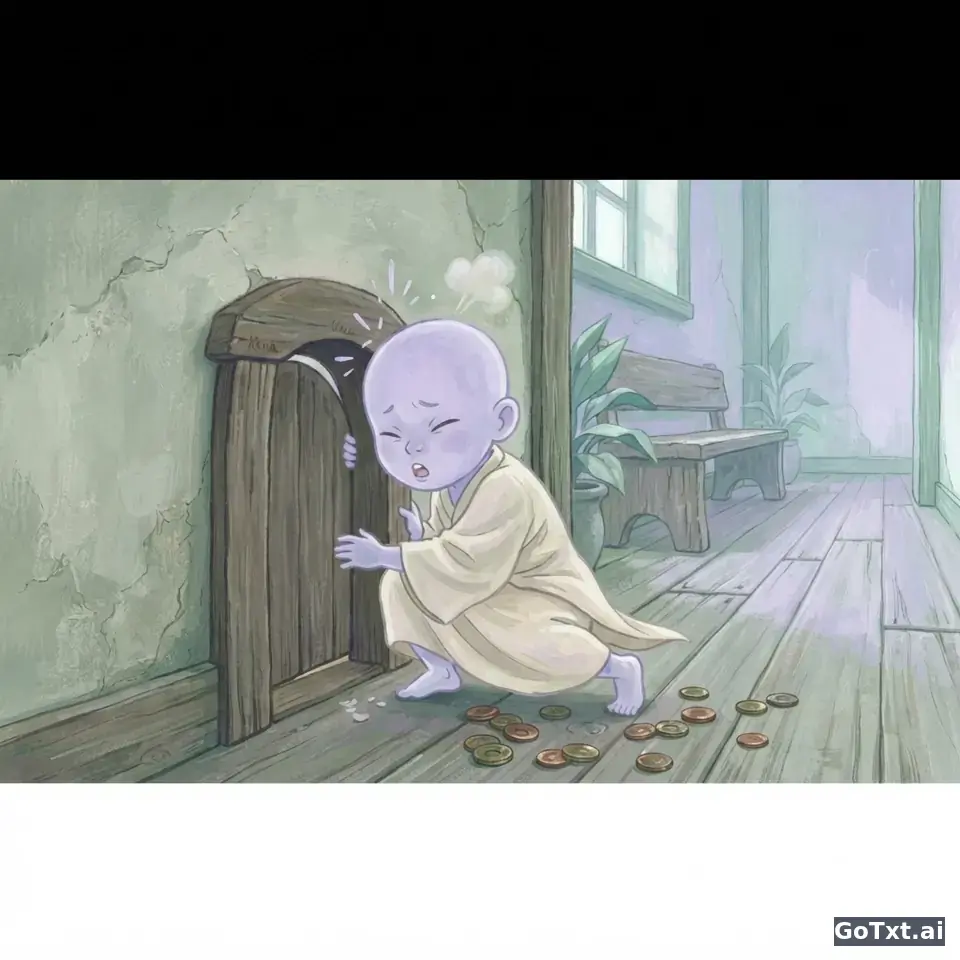
Every language hides its sense of humor in the small stuff — the throwaway lines people repeat at the dinner table until they become a kind of national shorthand. In Indonesian, one of my favorite examples is the running gag about the tuyul, a tiny bald spirit said to steal money for its keeper. The joke usually goes something like this: someone asks, "Kenapa tuyul itu botak?" — "Why is the tuyul bald?" — and the answer lands with "Karena kepalanya sering kena pintu." — "Because its head keeps hitting the door." On the surface it's silly. Underneath, it's a tiny masterclass in Indonesian wordplay, culture, and the way humor gets built from shared references rather than clever one-liners.
Why the Tuyul Exists in the First Place
To get the joke, you need the folklore. A tuyul is a supernatural creature in Indonesian and Malay belief — a small, childlike, bald being that a person keeps to steal money from others. The keeper is usually someone who wants to get rich fast, and the tuyul does the dirty work. This is why the creature shows up in everyday speech as shorthand for shady wealth. If a neighbor suddenly buys a new car with no visible job, someone might mutter, "Dia pelihara tuyul, ya?" — "He keeps a tuyul, huh?" It's half accusation, half joke, and entirely cultural.
The humor depends on you already knowing this. There's no setup explaining what a tuyul is, because everyone grew up with it. That's the first lesson: Indonesian jokes often assume a shared world.
The Grammar Trap Inside the Punchline
Now the linguistic part. Look at "Karena kepalanya sering kena pintu." The word kena is the star here, and it trips up learners constantly. It doesn't mean "to hit" in the active sense of punching something. It means to be struck by or come into contact with something — often something unpleasant.
| English idea | Correct Indonesian | Common learner mistake |
|---|---|---|
| The head hits the door | Kepalanya kena pintu | Kepalanya memukul pintu |
| I got a fine | Saya kena denda | Saya memukul denda |
| He caught the flu | Dia kena flu | Dia memukul flu |
Notice the pattern: kena puts the subject on the receiving end. The tuyul isn't hitting the door — the door is hitting it. That passive-flavored logic is exactly why the image is funny. The creature is a victim of architecture.
The "Sering" That Makes It a Habit
The adverb sering means "often," and it does quiet comedic work. Without it, the line is just a sad accident. With sering, it becomes a recurring tragedy — this poor spirit keeps bonking its head, day after day. Indonesian humor loves this kind of understatement. The word sering turns a one-time event into a lifestyle.
Comments
Article discussion: learner comments and GoTxt teacher replies
Drop your emotions below — love, debates, even hate welcome. Comment 👇
Don't want to miss my reply? Leave your email — I'll send a copy.