Галина Blog Russian Grammar Traps That Instantly Mark You as a Foreigner
Russian Grammar Traps That Instantly Mark You as a Foreigner
Four Russian grammar patterns that are technically correct but sound foreign to native ears — and how to fix them with real examples and a quick checklist.
Students often come to me proud of their grammar. They've nailed the cases, they know when to write
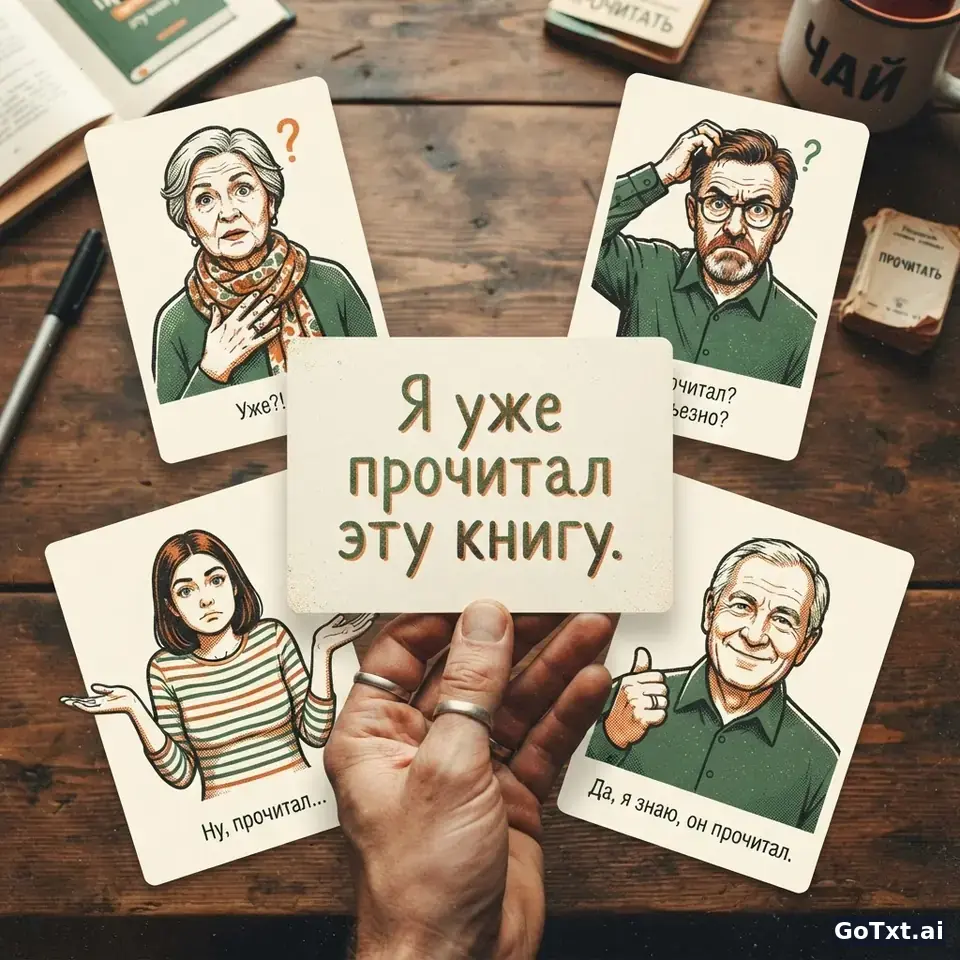
Russian encodes a lot of meaning inside the grammar itself — aspect, case, word order, particles. When you carry over English habits, you don't make errors. You make sentences that are technically fine and socially off. Let me show you what I mean.
Why "correct" isn't the same as "natural"
English leans on word order and intonation to do the emotional work. Russian leans on вид глагола (aspect), падежи (cases), and порядок слов (word order) to do the same job. So when you translate your English intention word-for-word, the grammar carries a meaning you didn't intend.
A classic: you want to say you'll do something later. You say Я сделаю это потом. Fine. But if a Russian asks when you'll finally do the thing and you answer Я буду делать это потом, you've just said "I will be in the process of doing this later" — which sounds like you're stalling forever. Same idea, different aspect, totally different vibe.
That's the trap. The grammar is right. The message is wrong.
Trap 1: Aspect — the difference between "done" and "doing"
This is the big one. English "I did it" can be Я сделал это (completed, result) or Я делал это (was doing, no result focus). Pick the wrong one and you sound either braggy or vague.
| English intention | Natural Russian | What the wrong aspect sounds like |
|---|---|---|
| I finished the report | Я сделал отчёт | Я делал отчёт = "I was working on it (and who knows if it's done)" |
| I read that book (finished) | Я прочитал эту книгу | Я читал эту книгу = "I was reading it, maybe never finished" |
| I wrote to him | Я написал ему | Я писал ему = "I was writing to him" (unfinished, or just "I used to write") |
If you tell your boss Я делал отчёт, she hears "so… is it done or not?" You meant "done." You said "in progress." That's the trap.
Trap 2: Word order — where you put the emphasis
Russian word order is free, which means it's meaningful. English speakers default to subject-verb-object and it leaks. Compare:
| You want to stress… | Natural Russian | Foreign-sounding version |
|---|---|---|
| It was I who did it | Это я сделал | Я сделал это (neutral, no emphasis) |
| I did it yesterday | Вчера я это сделал | Я сделал это вчера (flat, no focus) |
| This is what I need | Мне нужно вот это | Я нуждаюсь в этом (stiff, translated) |
Comments
Article discussion: learner comments and GoTxt teacher replies
Drop your emotions below — love, debates, even hate welcome. Comment 👇
Don't want to miss my reply? Leave your email — I'll send a copy.