Anna Blog Decoding German Humor: What a Swabian Joke Teaches Us About Language
Decoding German Humor: What a Swabian Joke Teaches Us About Language
Unpack a classic German joke about Swabians, learn the grammar and cultural logic behind it, and discover why **Humor** in German works differently than you expect.
Every language hides its sense of humor in plain sight, and German is no exception. My students often tell me that German jokes "don't land" for them — and I always answer that the problem isn't the joke, it's the missing cultural luggage. Today I want to take one classic German joke, the kind you hear in
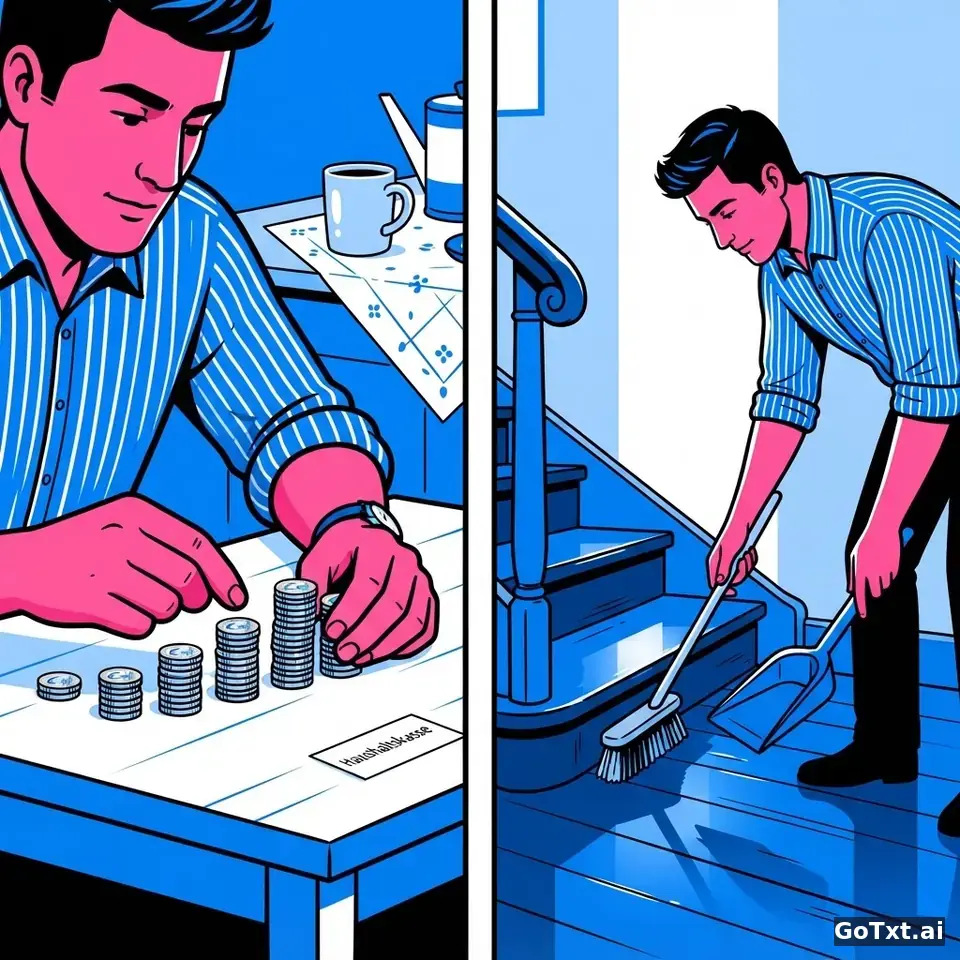
The Joke Itself
Here is the joke, in its most common form:
Treffen sich zwei Schwaben. Sagt der eine: "Ich habe gehört, du hast geheiratet!" Sagt der andere: "Ja, aber nur aus Sparsamkeit."
Translation: "Two Swabians meet. One says: 'I heard you got married!' The other says: 'Yes, but only out of thrift.'"
On paper it looks flat. In German it gets a laugh because it confirms a stereotype so precisely that the audience recognizes it instantly. The Swabians, a region in southwestern Germany around Stuttgart, are famous nationwide for two things: Sparsamkeit (thrift) and
The Language Engine Behind the Laugh
The humor doesn't only come from the stereotype — it comes from the word Sparsamkeit. This is a noun built from the adjective sparsam ("thrifty, economical") plus the suffix -keit, which turns adjectives into abstract nouns. Compare:
| English | German adjective | German noun |
|---|---|---|
| thrifty | sparsam | die Sparsamkeit |
| friendly | freundlich | die Freundlichkeit |
| careful | sorgfältig | die Sorgfältigkeit |
The suffix -keit (and its cousin -heit) is one of the most productive tools in German. Once you spot it, you can decode hundreds of abstract nouns you've never seen before. Sparsamkeit isn't just "thrift" — it's "thrift as a principle, as a lifestyle." That abstraction is exactly what makes the punchline funny: the man didn't marry out of thrift as an action, he married aus Sparsamkeit — out of thrift as a philosophy.
Grammar You Can Steal From This Joke
The joke is a goldmine of conversational grammar. Look at Treffen sich zwei Schwaben — literally "Two Swabians meet each other." This is a joke-opening formula in German, a bit like "A guy walks into a bar" in English. The verb comes first, the subject after, and the reflexive sich signals that the two people meet each other.
Then we get Sagt der eine — "says the one." Notice the word order: verb first, then subject. This inversion is standard in German whenever something other than the subject occupies the first position. English speakers constantly get this wrong, so let's compare:
Comments
Article discussion: learner comments and GoTxt teacher replies
Drop your emotions below — love, debates, even hate welcome. Comment 👇
Don't want to miss my reply? Leave your email — I'll send a copy.