 Loanwords in Chinese · Mei · GoTxt
GoTxt Mei Blog Loanwords in Chinese
Loanwords in Chinese: How the Language Chews Up Foreign Words — Learn Chinese
Why "coffee" becomes **kāfēi** and "sofa" turns into **shāfā** — a look at how Chinese borrows, reshapes, and sometimes quietly changes the meaning of foreign words. Learn Chinese.
Every language steals. The interesting part is what happens after the theft. Chinese is a great case study because its writing system forces borrowings through a very specific meat grinder: sounds get squeezed into Mandarin syllables, and characters get chosen to fit. So "coffee" doesn't arrive as coffee — it arrives as kāfēi, and "sofa" becomes shāfā. Notice something? Both got a fā or fēi tail that has nothing to do with the original word. That's not decoration; it's the language making the word pronounceable.
Chinese practice
Pronunciation practice
Listen to the phrase, repeat into the mic — your teacher analyzes the audio and gives a real pronunciation score with corrections and comments.
1 / 3
你好吗?
nǐ hǎo ma?
hello, how are you?
The Three Moves: Sound, Meaning, or Both — Everyday Chinese conversation
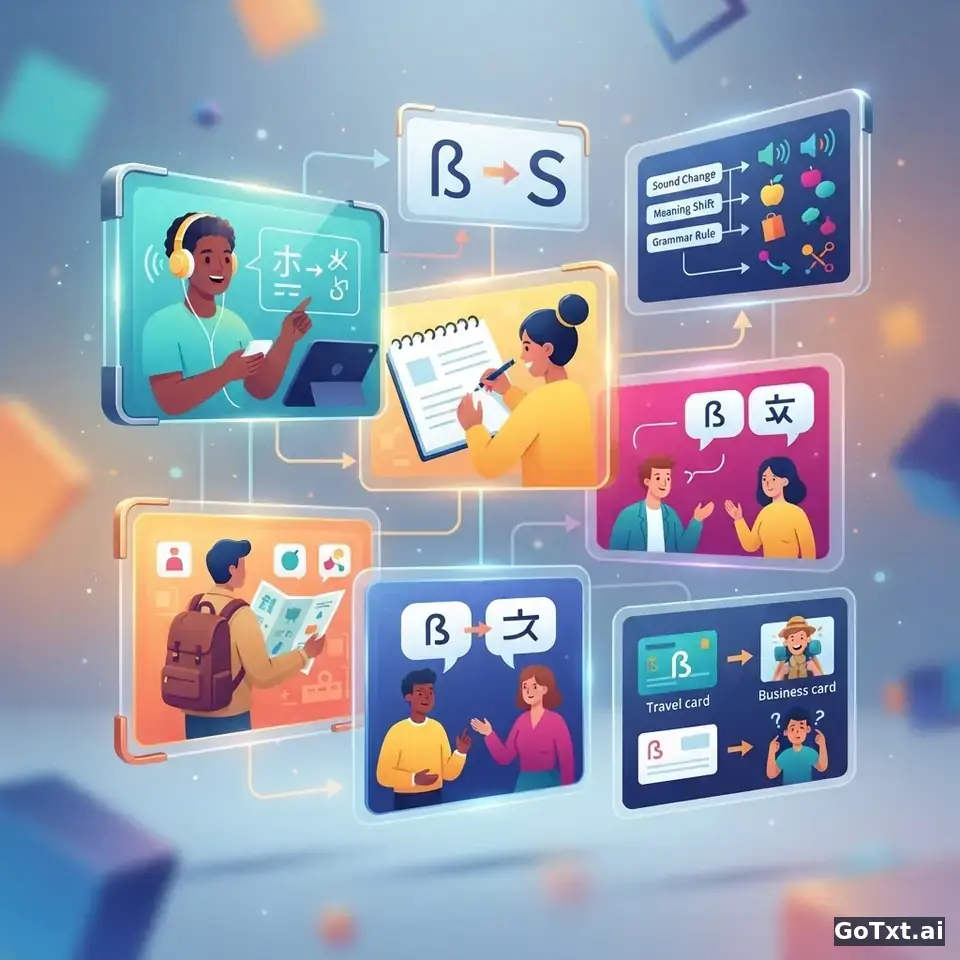
Chinese handles foreign words in roughly three ways, and knowing which one you're looking at saves a lot of confusion.
| English | Chinese | Strategy |
|---|---|---|
| coffee | kāfēi (咖啡) | pure sound borrowing |
| telephone | diànhuà (电话) | pure meaning ("electric speech") |
| internet | yīntèwǎng (因特网) | sound + meaning hybrid |
| karaoke | kǎlā OK | sound + Latin letters kept |
The first type is the one that trips people up. kāfēi sounds like "coffee," so you assume it means the same thing — and it does. But sound borrowing is where meanings drift most. A word can enter Chinese sounding familiar and end up meaning something narrower, wider, or just plain different.
When "International" Words Betray You
Here's the trap. You see a word that looks global, you assume it travels intact. It doesn't. English "toast" as in a drinking salute is not the same as Chinese tǔsī, which means sliced bread for sandwiches. Same sound, different job. English "modern" and Chinese mótuō (motorcycle, from "motor") are another classic mismatch — the sound survives, the meaning narrows hard.
| English word | Chinese lookalike | What it actually means |
|---|---|---|
| toast (salute) | tǔsī | sliced bread |
| motor | mótuō | motorcycle |
| bus | bāshì | bus (this one behaves) |
The lesson isn't "don't trust loanwords." It's "check the meaning, not the sound." A familiar ring is a hint, never a guarantee.
Why Characters Matter More Than You Think
When Chinese borrows a sound, it also picks characters — and those characters carry meaning baggage. shāfā (sofa) uses 沙 "sand" and 发 "emit." Neither has anything to do with sitting. But once written, the characters stick, and learners start seeing "sand" in their sofa. This is why reading loanwords in characters helps: the pinyin tells you the sound, the characters tell you how the language filed it away.
Comments
Article discussion: learner comments and GoTxt teacher replies
Drop your emotions below — love, debates, even hate welcome. Comment 👇
Don't want to miss my reply? Leave your email — I'll send a copy.