Layla Blog Grammar That Sounds Off: 4 Arabic Traps That Expose an English Speaker Instantly
Grammar That Sounds Off: 4 Arabic Traps That Expose an English Speaker Instantly
You can conjugate Arabic verbs perfectly and still sound foreign. Here are four grammar traps where correct Arabic lands wrong — and how to fix them.
Students come to me with a folder full of perfect verb tables and a puzzled face. «I said it exactly the way the book taught me, and the guy at the café just smiled politely.» I know that smile. It's the smile of someone who understood your words but heard a foreigner. Arabic grammar is not just a set of forms — it's a set of signals. And some of those signals mean something completely different in English.
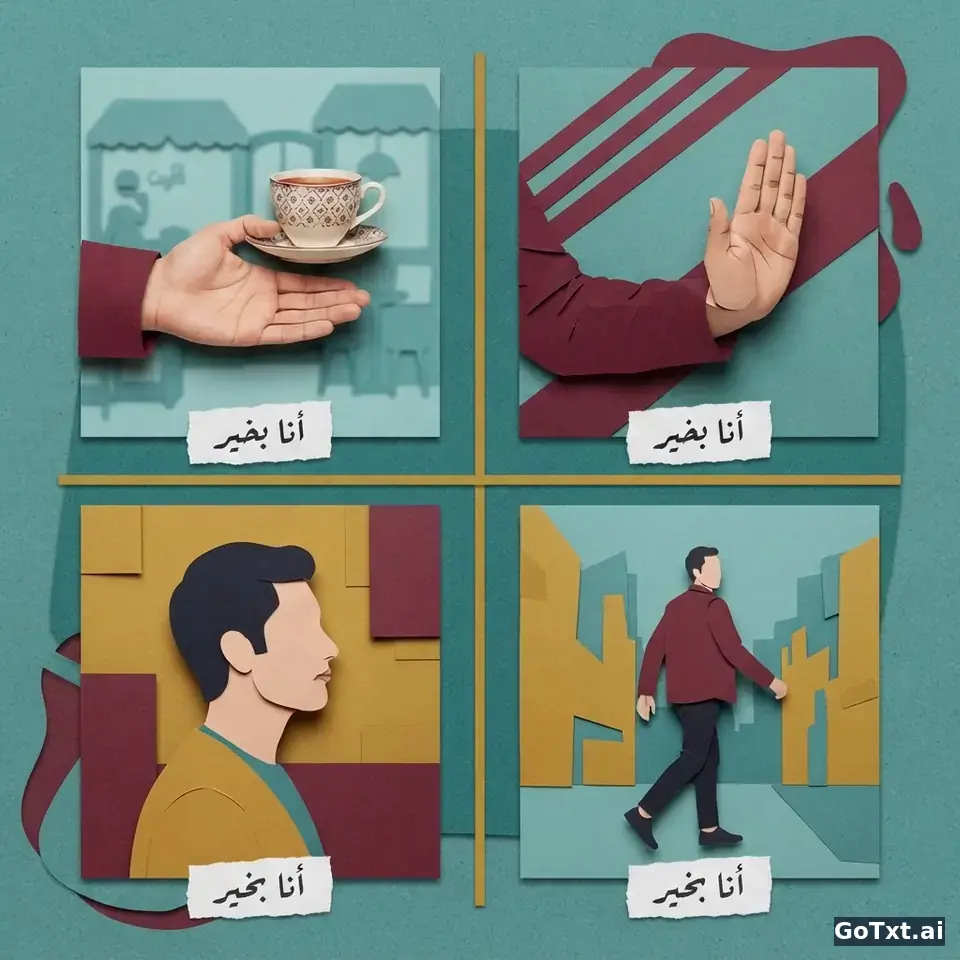
Take the seemingly innocent sentence
Trap 1: The Definite Article You Don't Need
English loves "the." Arabic loves it too — but not in the same places. When you say
| English intent | Correct Arabic | What you probably said |
|---|---|---|
| I want a new book (any) | أريد كتابًا جديدًا | أريد الكتاب الجديد |
| The book is on the table | الكتاب على الطاولة | — |
| Books are useful | الكتب مفيدة | كتب مفيدة |
The last row is the sneaky one: generic statements in Arabic often DO take ال. So the rule isn't "less al" — it's "al means shared knowledge."
Trap 2: Word Order That Screams Translation
English puts the subject first. Arabic is happy to start with the verb, and often prefers it. ذهب أحمد إلى السوق is natural. أحمد ذهب إلى السوق is not wrong, but it sounds like you're answering a question nobody asked — as if the important part is Ahmed, not the going.
Verb-first is the default in formal and news Arabic. In everyday speech, both appear, but the choice carries weight. If you always front the subject, native speakers hear English wearing an Arabic coat.
Trap 3: The Dual You Keep Forgetting
English has singular and plural. Arabic has singular, dual and plural. Two of anything gets its own ending: كتابان, طالبان, ساعتان. Skip the dual and say كتابين for exactly two books and you sound like a beginner who learned plurals too early.
| English | Correct (dual) | Common mistake |
|---|---|---|
| two books | كتابان | كتابين (as plural) |
| two students | طالبان | طلاب اثنين |
| two hours | ساعتان | ساعتين |
Notice the adjective agrees in the dual too: جديدان. Half-agreement is the classic giveaway.
Comments
Article discussion: learner comments and GoTxt teacher replies
Drop your emotions below — love, debates, even hate welcome. Comment 👇
Don't want to miss my reply? Leave your email — I'll send a copy.